A car’s been sitting in your lot for two weeks. The tags are expired, the tires are flat, and nobody’s claiming it. You want it gone, but you’re not sure who can actually make that call, what it’s going to cost, or whether you’re about to open yourself up to a lawsuit.
Those are the right questions to ask before you dial.
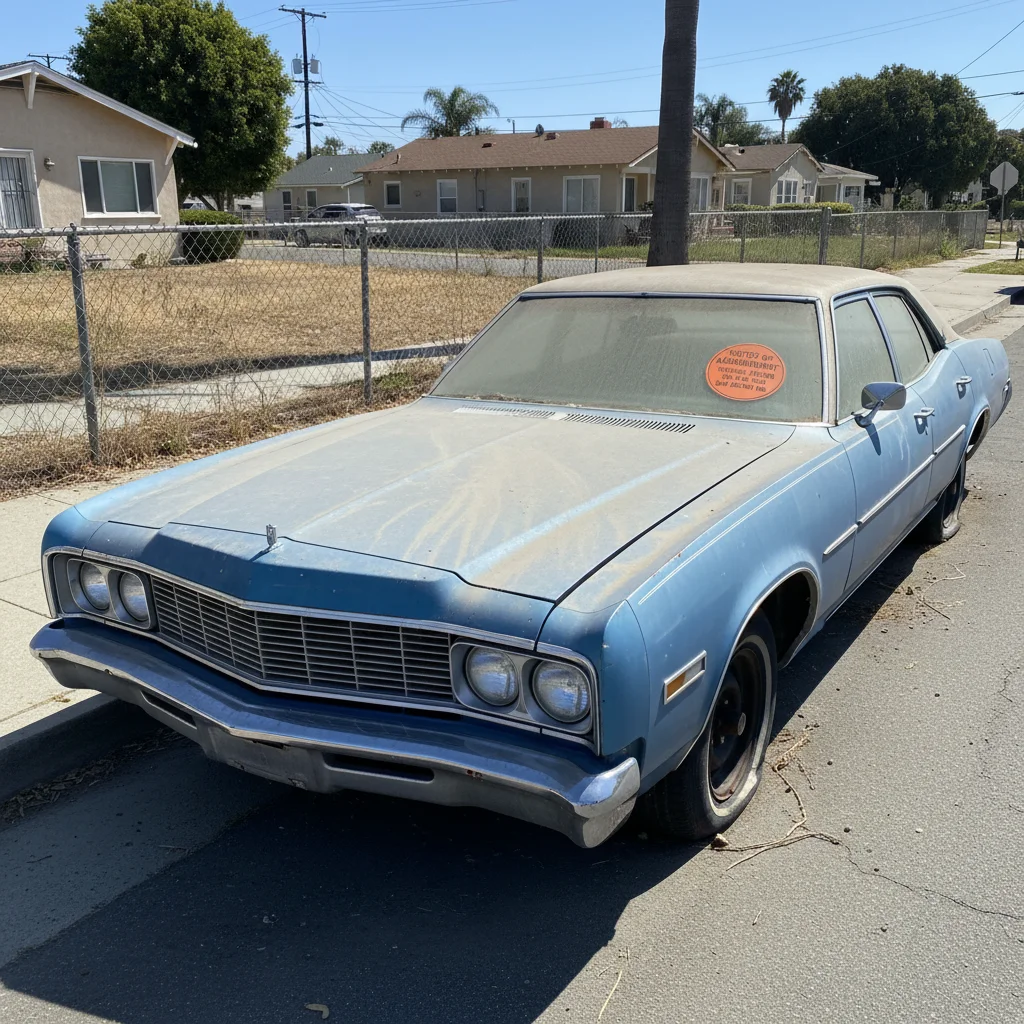
Who’s legally allowed to call for removal
In California, the authority to request a tow depends entirely on where the vehicle is sitting.
On public streets, the San Diego Police Department or County Sheriff handles the call. A resident or property owner can report the vehicle to the city, but the responding officer decides whether it qualifies as abandoned under state law. Generally, a vehicle parked on a public street with expired registration for more than 72 hours can be reported. Officers mark the vehicle, start the clock, and arrange removal through a contracted tow service if it isn’t moved.
On private property, the rules are different. Under California Vehicle Code 22658, the owner or operator of private property, that includes landlords, property managers, and business owners, can authorize a tow without the registered owner’s consent. But “authorize” doesn’t mean “call whenever you feel like it.” There are specific steps that must happen first, and skipping them exposes you to liability.
HOA boards have the same authority as private property owners when the vehicle is on common area land the HOA controls. Individual homeowners can authorize removal from their own driveway. A neighbor, however, cannot authorize a tow from another resident’s private space, even if the car hasn’t moved in months.
If you’re unsure whether your property qualifies, San Diego County’s roads and emergency contacts page can point you toward the right jurisdiction.
What property managers and HOAs need to do first
Before any private property tow happens legally, California law requires a few things to be in place.
First, your property must have compliant signage. Signs must be posted at each entrance, state that unauthorized vehicles will be towed at the owner’s expense, include the name and phone number of the towing company, and meet specific size requirements. Our post on private property towing sign requirements in California covers the exact specs.
Second, for a vehicle that appears abandoned (as opposed to a clear parking violation), you must make a reasonable attempt to notify the registered owner before authorizing the tow. That usually means placing a notice on the vehicle itself, not just calling the tow company. Document the date and time you placed that notice with a photo.
Third, once the vehicle is towed, the towing company is required to notify local law enforcement within one hour. A licensed tow operator handles this automatically. It’s one of the reasons you don’t want to use an unlicensed hauler, the legal exposure falls back on you.
Keep records. A simple log with dates, photos, and any communication attempts will protect you if the registered owner disputes the tow later.
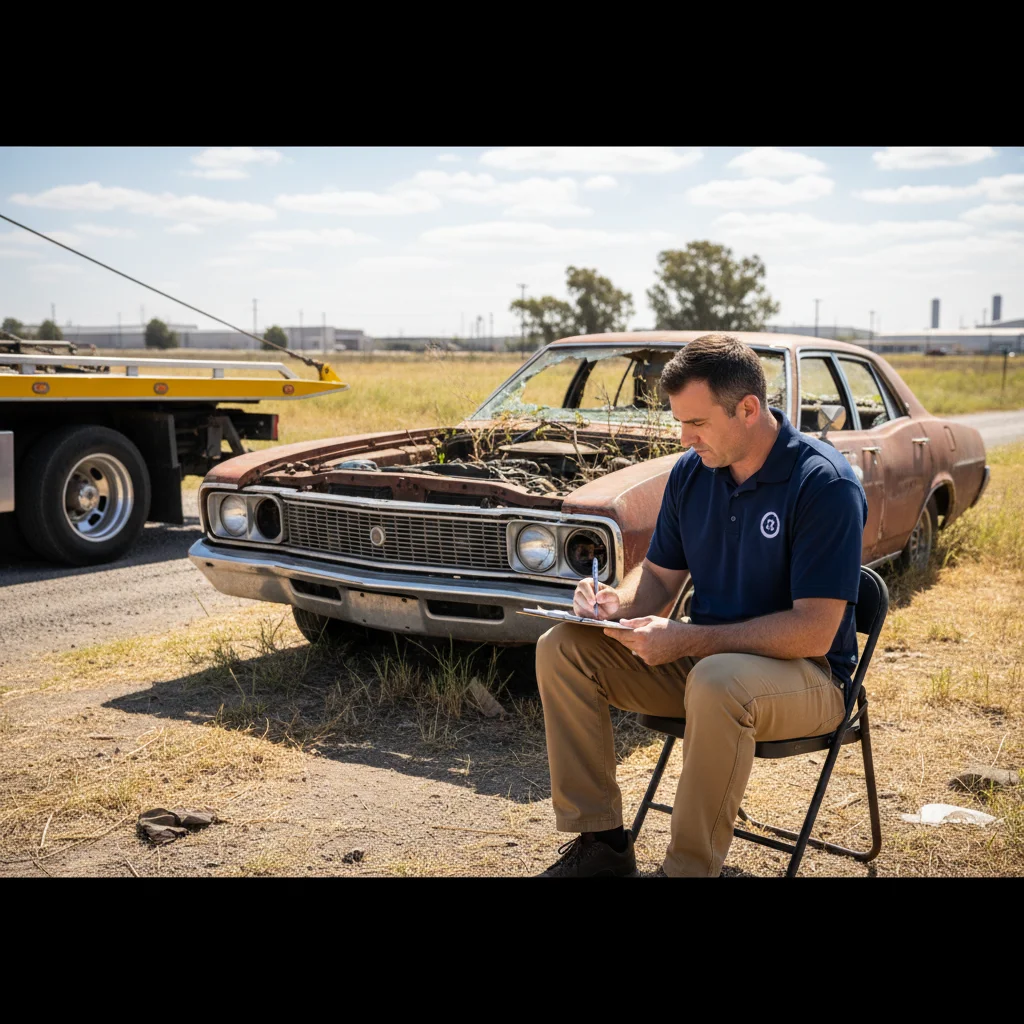
Cost breakdown for abandoned vehicle removal
This is where a lot of property managers get surprised. The cost structure for abandoned vehicle removal isn’t the same as a standard tow.
Here’s what typically drives the price:
Base tow fee: In San Diego County, a standard tow from private property generally runs $150–$250 for the hookup and first few miles. Larger or non-running vehicles cost more.
Storage fees: Once the vehicle reaches the storage yard, daily fees begin accruing, typically $50–$85 per day. These are regulated under California law, but they add up fast if the owner doesn’t claim the vehicle quickly.
Who pays the base tow fee: On a properly authorized private property tow, the registered vehicle owner is responsible for all towing and storage costs. The property manager does not pay, provided signage was correct and proper procedure was followed. If you skipped a step, that calculation can change.
Lien sale and disposal fees: If the vehicle goes unclaimed past the notice period, the tow company initiates a lien sale process. There may be DMV filing fees and notification costs. The tow company typically absorbs these and recoups them through the vehicle sale, but timelines vary.
For vehicles with no resale value, ask about removal options, including our junk car removal service; cost depends on the vehicle’s condition and scrap value. It’s worth asking.
For more on what a standard tow runs in San Diego, see our tow cost breakdown.
How long the legal notice period is in California
California sets a minimum 72-hour waiting period before a vehicle on a public street can be towed as abandoned. For private property, the law doesn’t mandate the same 72-hour window before removal, CVC 22658 allows immediate towing of vehicles that are clearly in violation of posted parking rules. But for a vehicle that appears abandoned (not just parked illegally), placing a notice and waiting at least 24 hours before calling is a defensible best practice that protects you from a wrongful tow claim.
Once the vehicle is in storage, the tow company has specific notification timelines:
- Law enforcement must be notified within 1 hour of the tow
- The California DMV must be notified within 72 hours if the vehicle owner can’t be immediately identified
- The registered owner, once identified, typically has 30 days before a lien sale can proceed on a low-value vehicle, and longer on vehicles with higher assessed value
These timelines mean the full process from first notice to final disposal can easily run 6–8 weeks when ownership disputes arise. In straightforward cases where the owner doesn’t contest the tow, the vehicle is usually gone and the account settled within 2–3 weeks.
What happens to the vehicle after pickup
Once your tow company picks up the vehicle, the clock starts on multiple legal obligations, most of which fall on the tow operator, not you.
The tow company stores the vehicle, notifies the appropriate parties, and documents the condition of the car at pickup. This documentation matters. If the registered owner claims damage occurred during storage, the intake record is the defense.
If the owner comes forward, they pay all towing and storage fees to retrieve the vehicle. If nobody claims it within the statutory period, the tow company can apply for a lien sale, essentially auctioning the vehicle to recover costs. Proceeds go toward fees, with any surplus theoretically owed to the prior owner (though that rarely happens in practice with low-value vehicles).
Vehicles with salvage-level value are often sold to junkyards or recyclers. Anything with remaining market value may go to a public auction. Either way, once the lien sale is finalized, the title transfers and the vehicle leaves your name, and your lot, permanently.
You won’t receive a payout unless you had a specific agreement with the tow operator. In most standard abandoned vehicle cases, the property owner’s benefit is simply getting their space back.
Common mistakes that delay removal
Most delays in abandoned vehicle cases come down to paperwork and procedure, not logistics.
Missing signage: If your signs don’t meet California’s requirements, the tow can be challenged and the vehicle returned at your expense. Get compliant signs up before you have a problem vehicle, not after.
No photo documentation: “I put a notice on the car three days ago” doesn’t hold up without a timestamped photo. Take two, one of the notice, one of the vehicle with the notice visible.
Calling an unlicensed hauler: Unlicensed operators can’t file the required law enforcement notification, which creates a gap in the legal chain. Stick with a licensed tow company. See our guide on choosing a tow company and red flags to watch for.
Waiting too long to act: An abandoned vehicle on your property is a liability. Vandalism, fluid leaks, squatters using it for shelter, these are real issues in San Diego County. If it’s been sitting more than a week with no movement, start the documentation process now.
Misidentifying the vehicle’s status: A car with current tags that hasn’t moved in five days isn’t legally abandoned in most contexts. Know the difference between a parking violation, an abandoned vehicle, and a junk car, they each follow different removal tracks.
For a broader look at San Diego-specific rules and what counts as abandoned under local enforcement, our abandoned vehicle removal San Diego overview is a good place to start.
When to call us
Abandoned vehicle removal on private property is one of those jobs where a single procedural mistake can reverse the entire tow and cost you more than the problem was worth. If you’re managing a property in San Diego County and you need a vehicle removed correctly, documented, legally, and without delay, that’s exactly what a professional junk car and abandoned vehicle removal service is built for.
Call us at (858) 923-5787 for a same-day estimate.