You can find a towed vehicle by license plate for free by checking the official tow system for the city where it disappeared. In the City of San Diego, enter the plate at AutoReturn, the city’s official towing and impound contractor.
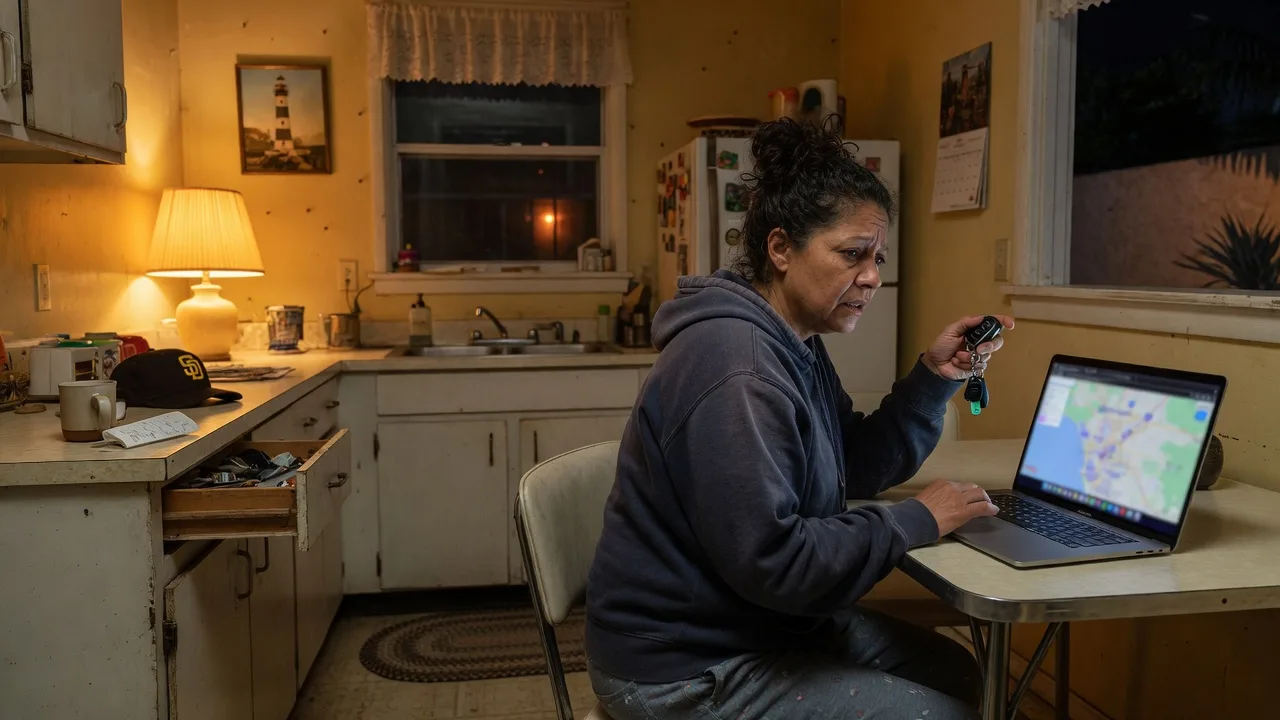
Start with the plate, the city, and when it went missing
A useful tow car lookup needs more than the plate number. First, confirm the plate’s letters, numbers, and issuing state. Then write down where you parked and when you last saw the car.
The location determines which record system to check. A car missing near Balboa Park may fall within the City of San Diego system. A vehicle parked along Port District tidelands could involve Harbor Police. Cars missing in Chula Vista, Oceanside, El Cajon, or another city may appear in that city’s records instead.
Gather these details before searching:
- Complete license plate number
- State shown on the plate
- Vehicle year, make, model, and color
- Vehicle identification number, if available
- Exact parking location
- Nearest intersection or business
- Time the car was parked
- Time you discovered it missing
Enter the plate without guessing at unclear characters. A zero and the letter O are easy to confuse. The same applies to one, I, and L.
A license plate search can identify an impound record when the responsible agency supports that method. No verified statewide California public tow portal was confirmed for this page. Start with the city or agency responsible for the parking location.
For the broader county process, use our San Diego towed-car guide. That guide covers what to do when you don’t yet know which system holds the record.
City of San Diego AutoReturn versus other agencies
AutoReturn is the City of San Diego’s official towing and impound contractor. Its vehicle locator is the right first stop when you believe the City ordered the tow.
The search applies to vehicles towed through the City of San Diego system. It isn’t a complete database for every private lot, independent city, or public agency in San Diego County. That distinction explains many unsuccessful searches.
Our AutoReturn San Diego guide explains the city process in more detail. Use the official locator first, then confirm the result before traveling anywhere.
Different agencies handle different places:
- The City of San Diego uses AutoReturn for its towing and impound system.
- Harbor Police patrol Port District tidelands in San Diego, Chula Vista, National City, Coronado, and Imperial Beach.
- Incorporated cities may maintain their own police or contracted-tow records.
- Private parking facilities may use the company named on posted entrance signs.
A waterfront location doesn’t automatically mean Harbor Police handled the tow. Port District jurisdiction covers specific tidelands, not every coastal street or parking lot. Confirm the precise place where the car disappeared.
Likewise, a Chula Vista address shouldn’t be searched as a City of San Diego tow. Follow the local steps in our Chula Vista towed-car guide.
A commercial plate-search site may show ownership or vehicle-history information without locating the current tow yard. The official local agency or posted towing company is the better source for an active impound.
What to try when the plate search returns nothing
An empty result doesn’t prove the car wasn’t towed. The plate may have been entered incorrectly, the wrong jurisdiction may have been searched, or the relevant record may belong to a private-property tow.
Check the plate again, including its state. If the plate was damaged, missing, temporary, or recently changed, search with the VIN when the official portal offers that option. The VIN appears on registration and insurance documents.
Next, retrace the parking location. Look for temporary parking restrictions, nearby construction, and signs at every vehicle entrance. Also check whether someone with authorized access moved the car.
If the vehicle disappeared within the City of San Diego and AutoReturn shows nothing, contact SDPD through the non-emergency contact published on the City’s vehicle-impound page. This article doesn’t repeat that number because agency contacts can change. Confirm it on the official City page before calling.
For another California city, find the official local police or parking agency website. Search its site for “towed vehicle,” “vehicle impound,” or “tow lookup.” Don’t assume a portal serving Los Angeles, San Diego, or another city shares statewide records.
If no agency or towing company can confirm a tow, report the vehicle missing to the law-enforcement agency responsible for that location. Don’t delay that step based only on an unsuccessful online search.
Keep notes as you work. Record which portal you checked, when you checked it, and which agency you contacted. That prevents repeated searches and gives you a clear timeline if the car remains missing.
Private-property yards versus police or city tows
A police or city tow starts with a public agency record. A private-property tow begins with the property, its authorized representative, and the towing company involved.
That difference changes the search method. AutoReturn may not show a vehicle removed from an apartment complex, shopping center, office lot, or private garage when the City didn’t order the tow.
Return to the place where the car was parked. California Vehicle Code 22658 requires qualifying tow signs to be posted in plain view at property entrances. The signs must identify the authorized towing company and provide telephone information. Read the actual sign instead of relying on an old online listing.
California law also requires a tow company handling a private-property removal to notify local law enforcement within the statutory reporting window. The rule is within 60 minutes after removal while the vehicle is in transit, or within 15 minutes after it reaches storage, whichever is less. That notice can help the proper local agency confirm whether a private tow occurred.
The full requirements have exceptions and several possible grounds for removal. Read California Vehicle Code 22658 before drawing a legal conclusion from one sign or missing notice.
Property owners seeking lawful removal have a different task from drivers locating a missing car. Our private-property towing service connects property representatives with independent operators. Quick Tow SD doesn’t operate an impound lot or release vehicles held by another company.
What to confirm before you go to the lot
Finding a plate match is only the first step. Call the agency or storage facility using contact information from an official result or posted sign. Confirm that the car is physically there before leaving.
Ask for:
- The complete yard name and address
- The vehicle’s plate, make, and color
- The agency that authorized the tow
- Any hold or release requirement
- Current release hours
- Required identification and ownership documents
- Accepted payment methods
- An itemized statement of current charges
Don’t rely on map listings for yard hours. Storage facilities can have different office and release schedules. Private-property signs may also remain posted after a contractor changes, so confirm the company and location directly.
Bring the documents the agency or yard tells you to bring. Requirements vary with the tow and any hold. If an official release is required, visiting the yard first may waste a trip.
For a Port of San Diego impound, the approved process is more specific. The registered owner must appear with a license, insurance, registration, and required proof of correction. Harbor Police issues the signed release, while payment occurs at the towing yard. Release paperwork isn’t available around the clock, so confirm current office hours with the Port.
Before paying, request an itemized invoice. California’s approved consumer-protection information also supports inspecting the vehicle and retrieving personal property without charge during normal business hours, subject to the law’s scope and exceptions. Photograph the car before driving away, especially if you notice new damage.
When to call us
Call Quick Tow SD when your vehicle is safely in your possession but needs transport, or when a private-property representative needs an independent towing operator. We can’t locate or release a car held by a police agency or another company’s impound yard. Call (858) 923-5787 to reach dispatch.