Getting your car out of a City of San Diego impound costs $178 for the tow plus $54 for the Tow/Impound Cost Recovery Fee (TICR), plus $41 for every day the car sits in storage, so a next-day pickup runs about $314 and a full week runs about $519. Quick Tow SD doesn’t hold the keys to the impound lot and can’t release a city-impounded car, only the impounding agency and its contractor, AutoReturn, can do that, but we can walk you through the real math so you’re not blindsided at the release window, and we’re the call to make for a normal tow so you never end up here in the first place.
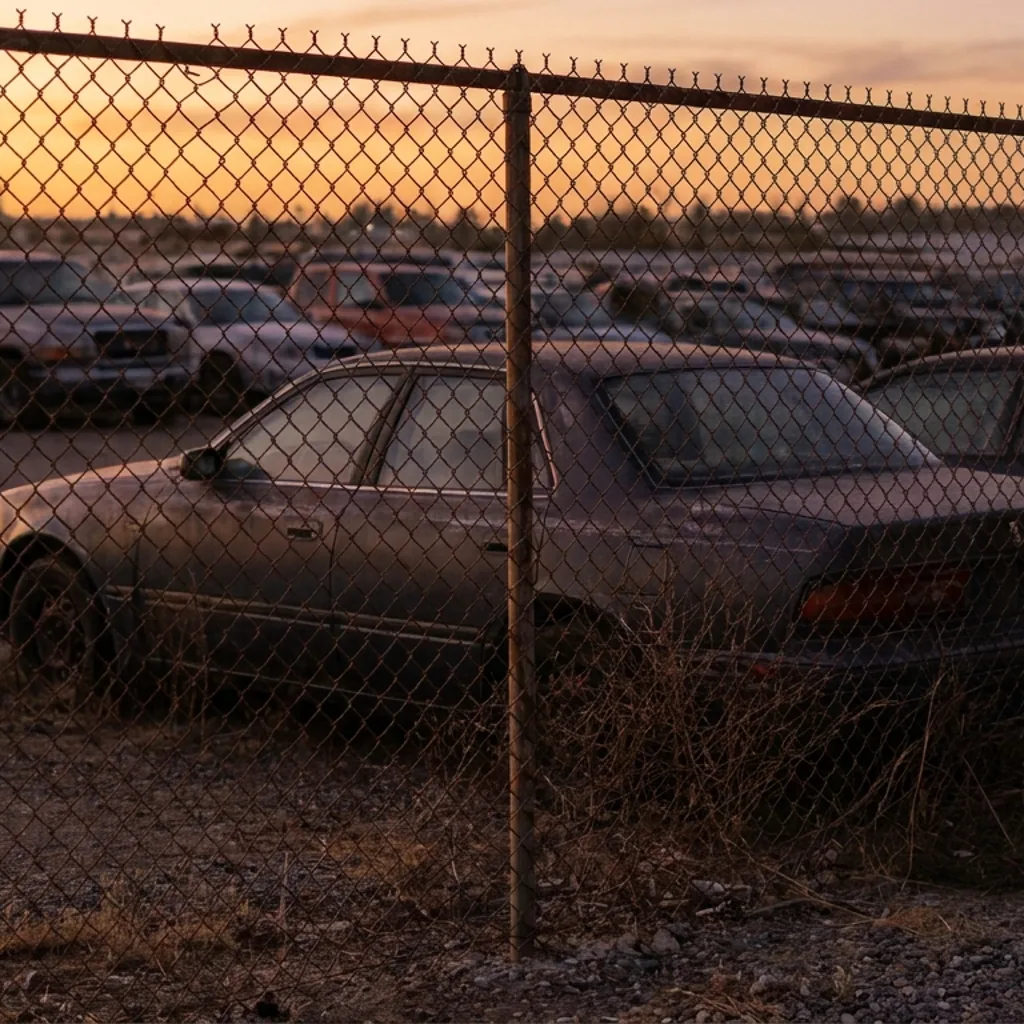
The number you owe depends on one thing more than any other: how many days the car sits before you show up with the right paperwork. Below is the actual City of San Diego fee schedule, the worked math for next-day, one-week, and 30-day pickups, and what changes if the tow happened on private property instead of by the police.
How much does it cost to get your car out of impound in San Diego?
For a City of San Diego police impound, the published AutoReturn fee schedule for a regular passenger vehicle breaks down like this.
- Tow fee (Regular Duty, under 9,500 lb GVWR): $178
- Tow fee (Medium Duty): $190
- Tow fee (Heavy Duty, over 22,000 lb GVWR): $250
- Daily storage (Regular Duty): $41 per day
- Daily storage (Medium Duty): $70 per day
- Daily storage (Heavy Duty): $100 per day
- Tow/Impound Cost Recovery Fee (TICR): $54 flat
- Flatbed/dolly fee, if needed: $47
- After-hours release fee (after 5 PM and weekends): $48
- Extra mileage over 5 miles (Regular Duty): $5.50 per mile
Picked up the next day for a regular car, two days of storage, and you’re looking at $178 tow plus $54 TICR plus $82 storage ($41 x 2), which comes to $314. Add the $48 after-hours fee if you’re grabbing it evenings or weekends, and the real range is roughly $310 to $360.
What you actually pay: tow fee, storage, and the TICR
The tow fee is a one-time flat charge for the truck that hauled your car off the street. It’s $178 for a regular passenger vehicle regardless of how many days it sits afterward.
Storage is the daily rate the yard charges to hold your car, and it starts accruing the moment the vehicle arrives, not when you find out about it. At $41 a day for a regular car, storage is the line item that keeps climbing every single day you wait.
The TICR is a flat $54 add-on the city charges to recover its administrative cost of running the impound program. It’s not negotiable and it applies to every release, hold or no hold.
Why every extra day makes it worse
Storage is billed per calendar day, so the bill grows on a schedule you don’t control once the car is off the street. A car left one week, seven days of storage, comes to $178 tow plus $54 TICR plus $287 storage ($41 x 7), for a total of $519. That’s $205 more than a next-day pickup for the exact same tow, just from waiting five extra days. Every day you don’t have your ID, your license, and a ride to the lot is another $41 added to the total.
The 30-day hold: how impound costs explode
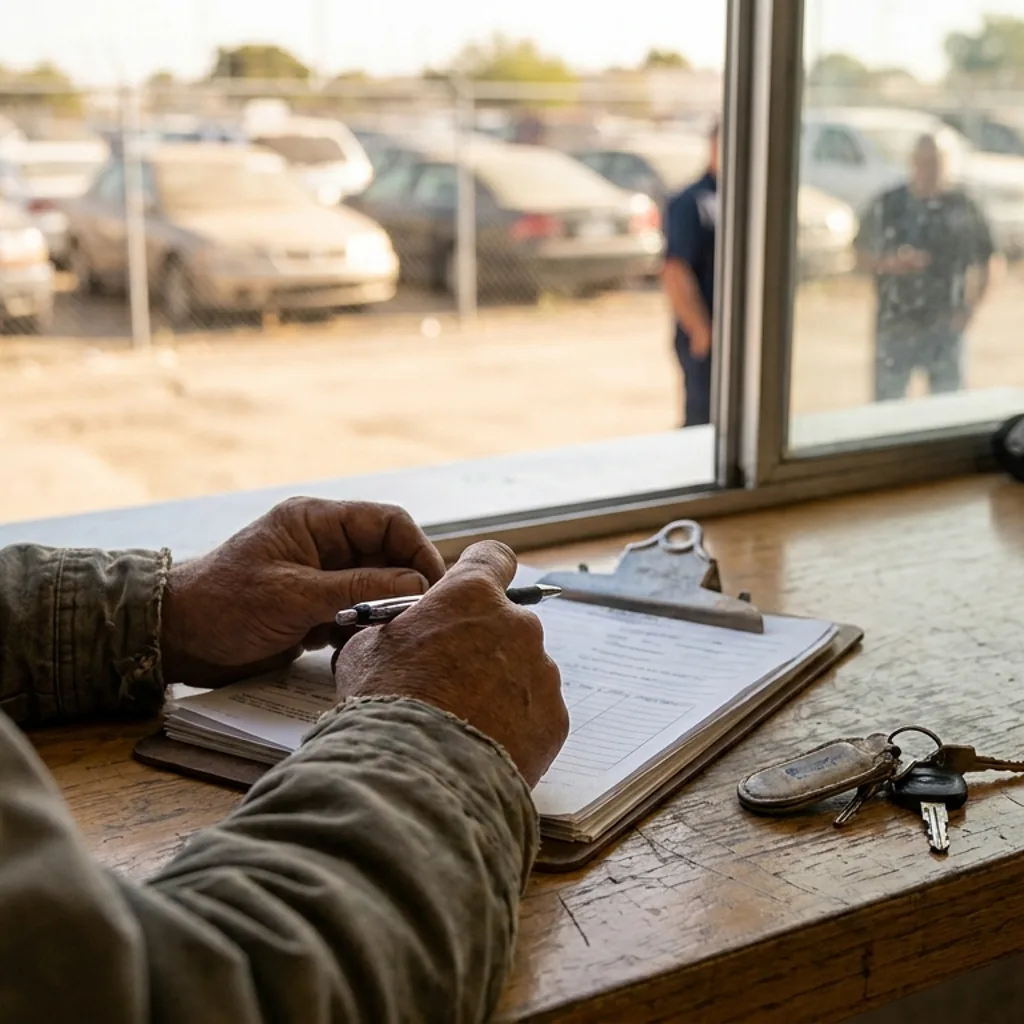
Under California Vehicle Code 14602.6, a car can be impounded for a full 30 days if the driver was caught operating it on a suspended, revoked, or never-issued license. That 30-day hold is the single biggest cost driver in the entire system, because storage keeps stacking daily whether or not you’re ready to pick the car up.
Run the math on a regular car held the full 30 days: $178 tow plus $54 TICR plus $1,230 storage ($41 x 30) comes to $1,462, before any hearing fees or extra charges. That’s nearly five times the cost of a next-day release, and it’s all storage.
You do have a right to push back on a 30-day hold. If you request a storage hearing within 10 days of the impound, the hearing has to happen within 2 days of your request. Winning that hearing can get the car released early, which is the only real way to stop the daily storage clock on a hold. To release the car once the hold ends, you’ll need the registered owner’s ID and a valid license, plus proof the license issue that triggered the hold has been resolved.
City impound vs. private-property tow: different rates
Everything above is the City of San Diego’s own rate schedule for police impounds, charged through the city’s contracted operator, AutoReturn. If your car was towed from a shopping center, apartment complex, or other private lot under California Vehicle Code 22658, you’re dealing with that property’s tow company and its own rate sheet, not the city’s. Those numbers can run higher or lower depending on the operator, and if something about that tow felt off, our post on what to do after an illegal private-property tow in California walks through your options. The same logic applies if the tow came from CHP, the county, or another city, each agency runs its own contract and its own fee schedule.
How to keep the cost down
Go the same day if you possibly can. Every day you wait adds another full day of storage, and that’s the fee you have the most control over. Bring the registered owner’s ID and a valid driver’s license before you drive out to the lot, showing up without them just means a wasted trip and another day of storage while you go get them. If it’s a 30-day hold, request your storage hearing within 10 days, it’s your fastest legal path to getting the car released early. And if you can help it, avoid picking up after 5 PM or on a weekend, that’s an extra $48 you don’t need to pay.
For the full step-by-step on what to bring and how the release process actually works, see how to get your car back from impound. If you’re not even sure which lot has your vehicle yet, start with how to find your towed car in San Diego. And if you only need your wallet, phone, or car seat, you don’t have to pay first: the yard must release your belongings free during business hours.
When to call us
Quick Tow SD isn’t who releases a city-impounded vehicle, that call belongs to the impounding agency and AutoReturn. What we are is the number to call for a normal tow, so a flat tire or a breakdown doesn’t turn into an impound in the first place, and we’re who you call once you’ve got your car back and need it moved somewhere safe. If you want to know what a standard tow actually costs before you need one, our post on how much a tow truck costs in San Diego breaks it down the same way.
Frequently asked questions
How much does it cost to get your car out of impound in San Diego?
A next-day release for a regular passenger car costs about $314, made up of a $178 tow fee, a $54 TICR fee, and $82 in storage for two days at $41 a day. The total climbs by $41 for every additional day the car isn’t picked up.
How much is the daily storage fee at a San Diego impound lot?
Daily storage for a regular passenger vehicle is $41 a day at a City of San Diego impound. Medium duty vehicles run $70 a day and heavy duty vehicles run $100 a day, and the charge starts the day the car arrives at the lot.
What is the TICR fee on a San Diego impound?
The TICR, or Tow/Impound Cost Recovery Fee, is a flat $54 charge the city adds to every impound release to cover its administrative cost of running the program. It applies on top of the tow fee and storage, regardless of how long the car was held.
How much does a 30-day impound hold cost?
A full 30-day hold on a regular passenger car costs about $1,462, made up of the $178 tow fee, the $54 TICR fee, and $1,230 in storage at $41 a day for 30 days. Requesting a storage hearing within 10 days of the impound is the only way to potentially cut that total short.
Can I get my car out of impound after hours in San Diego?
Yes, but an after-hours release, meaning after 5 PM or on a weekend, adds a $48 fee on top of the standard tow, storage, and TICR charges. Picking the car up during normal business hours avoids that extra cost.
Need a tow before it ever gets to impound, or a ride once you’ve got your car back? Call Quick Tow SD 24/7 at (858) 923-5787 for coverage across San Diego, Chula Vista, El Cajon, Escondido, and Oceanside, or reach out through our contact page.